
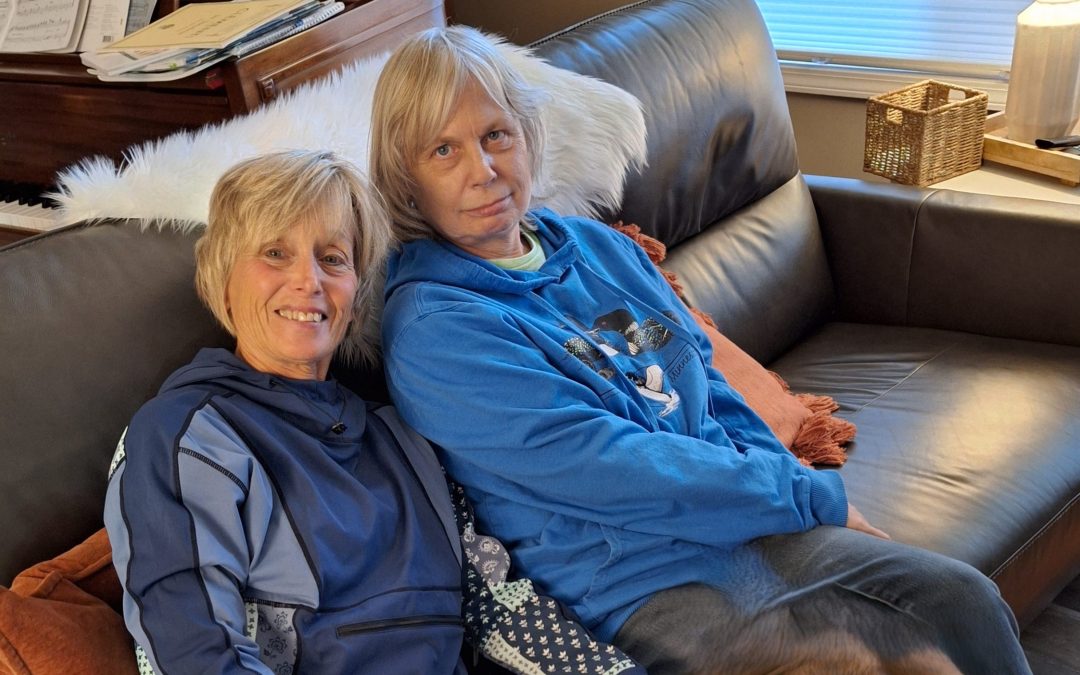
Paws of Friendship
Seventeen years ago, Bethany Collins set out on a journey that would change her life. She had just adopted a playful Australian Shepherd puppy, Chase, and knew she wanted to get involved in animal therapy with him. After searching online, she found Hammer & NER. and was quickly drawn to the idea of pairing her new pup with someone who could benefit from his loving nature. Little did she know how profound this decision would be.
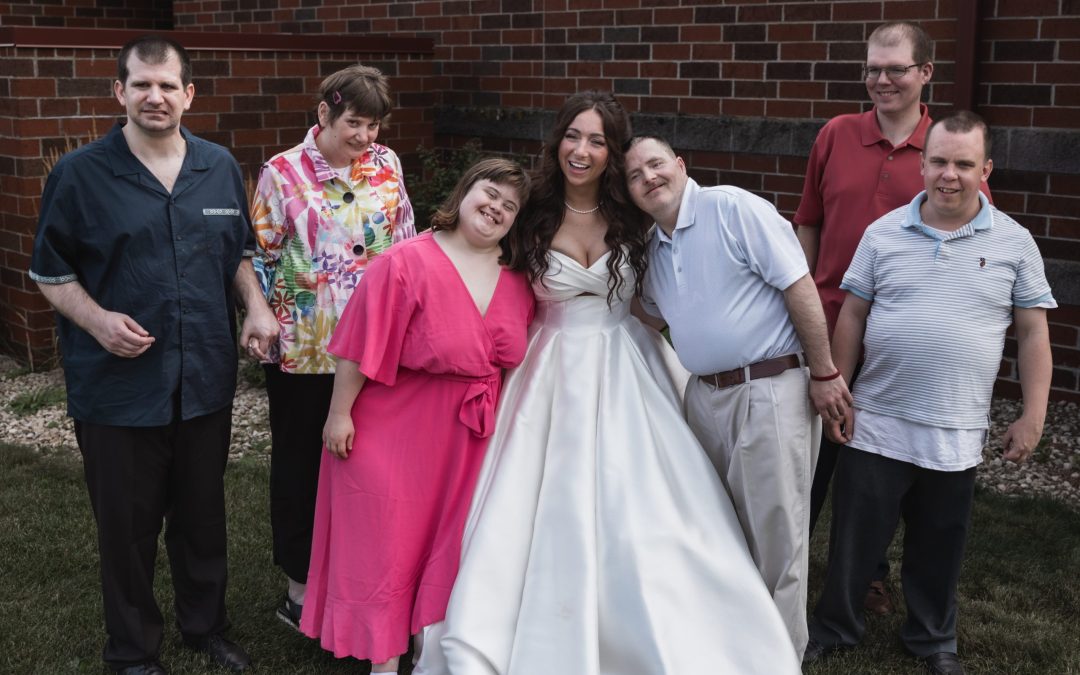
A Wedding to Remember
At Hammer & NER, it’s key for our staff to build meaningful relationships with the individuals we support, fostering a sense of community that extends far beyond the workplace. One remarkable example of this was seen in August, when Emma Handeland, Program Manager...
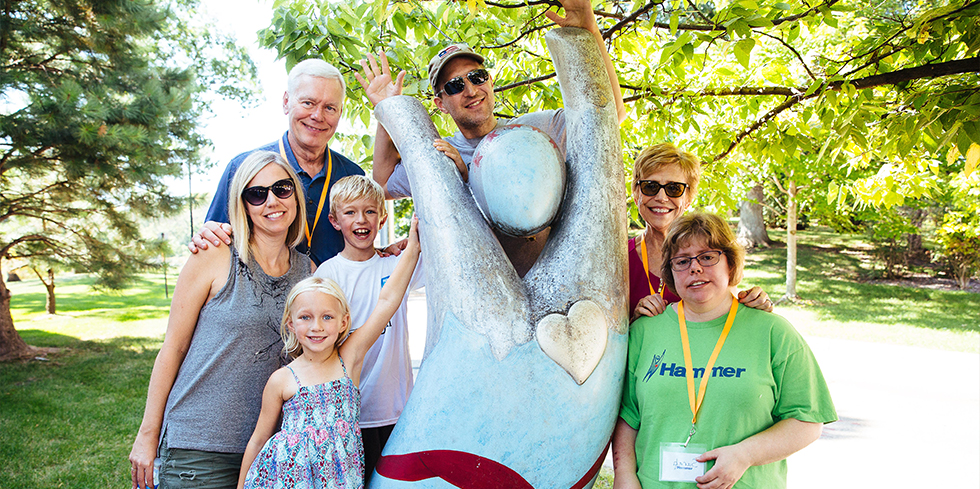
Preparing to Manage Your Sibling’s Care
Growing up, siblings of people with intellectual disabilities will watch their parents care for all aspects of their brother or sister’s life, even during young adulthood. As they grow older, these siblings may wonder where they belong in terms of their involvement with caretaking and decision making as the parents usually continue to manage the bulk of responsibility. Often, it’s not until the parents are aging that adult siblings will begin to interact more with service providers.
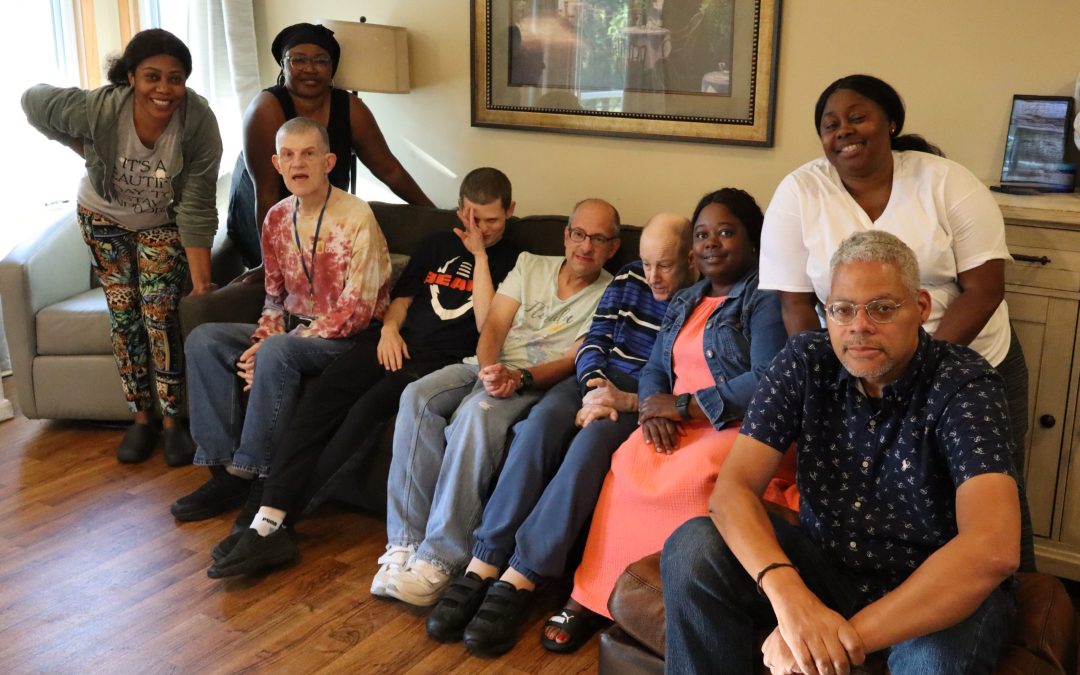
Showcasing Our Homes–Lawndale
Each of our Hammer & NER homes is unique because of the people who live and work there. The “Showcasing Our Homes” profiles celebrate our homes (and apartment programs), the people who live there, and the staff who support them. Let’s learn about the Lawndale home in Plymouth!
Coffee & Donuts with Chris
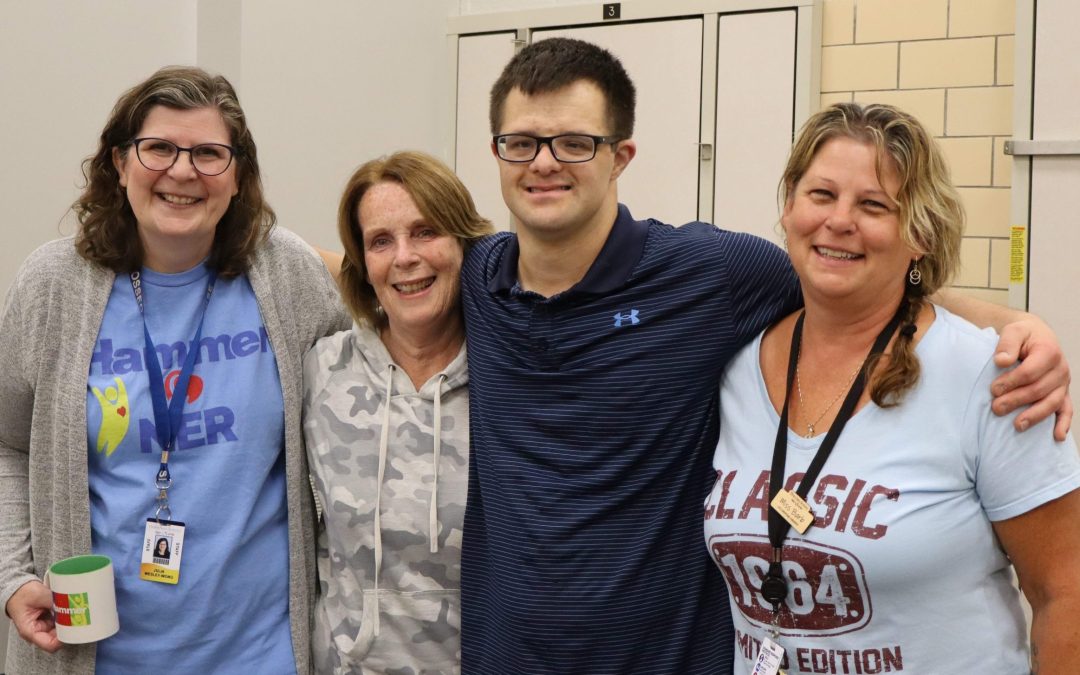
A sweet reunion with early childhood teachers Chris Ringe joined the Hammer & NER family in 2017 when he moved into our Lancaster home. Chris, who has Down syndrome, is an active, friendly, outgoing guy with a big heart. Earlier this year, as our annual Reach for...
Why Supporting Siblings of People with Disabilities Matters
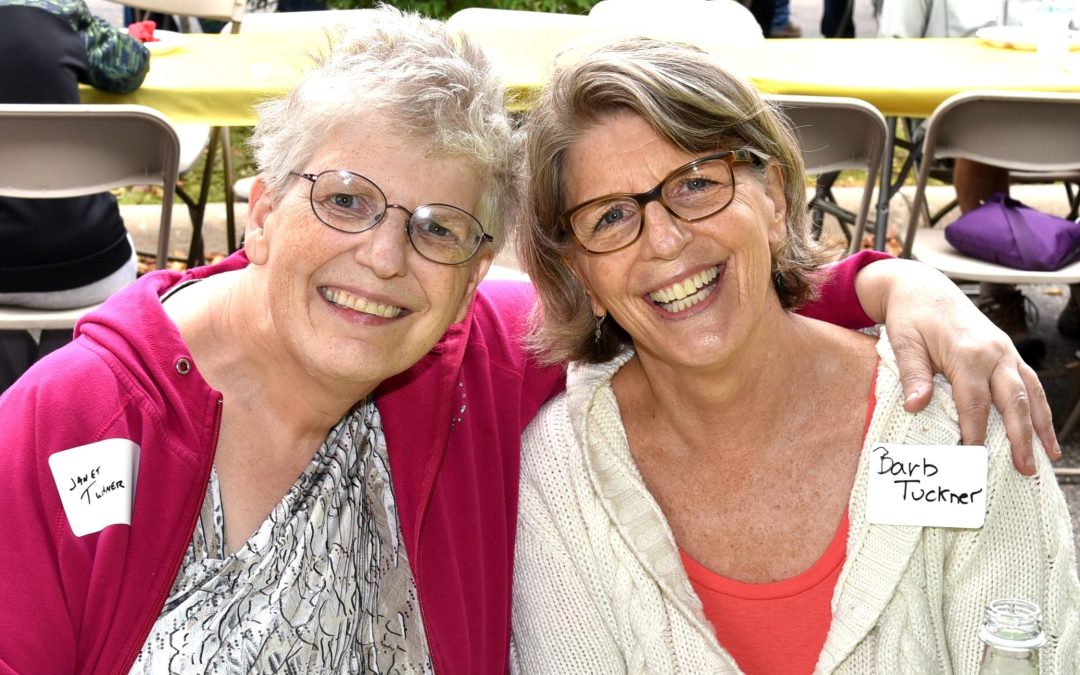
For many of us, sibling relationships are the longest-lasting bonds, surpassing even those with parents, partners, or friends. As a result, siblings often find themselves in the “club-sandwich generation,” balancing support for aging parents, siblings with disabilities, and their own children simultaneously. Despite their unique perspectives, siblings are often overlooked in disability planning and advocacy.
Recent Comments